
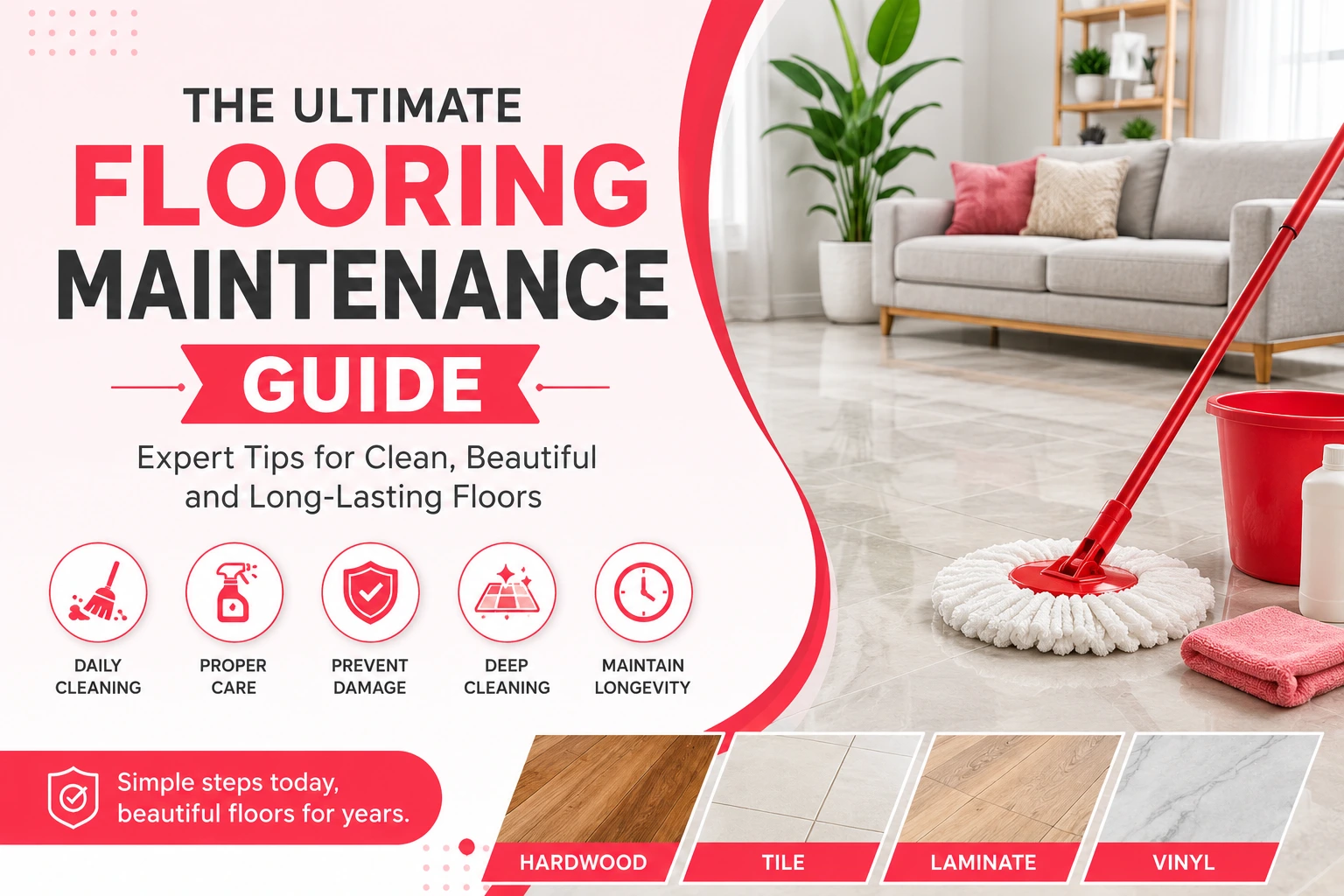
Flooring Maintenance Guide: 12 Easy Ways to Keep Your Floors Looking New
Floors quietly handle everything. Shoes, pets, kids, heavy furniture, spilled coffee, muddy footprints… the list never really ends. That’s exactly why having a reliable flooring maintenance guide matters. A little care today can save you from expensive repairs tomorrow, and honestly, it doesn’t even take much time.
Whether your home has vinyl, laminate, hardwood, tile, or hybrid flooring, following the right flooring maintenance guide helps preserve its beauty and lifespan. Small habits make a surprisingly big difference.
Let’s explore the best ways to protect your investment.
1. Sweep and Vacuum Every Day
The first rule in any flooring maintenance guide is simple—remove dust before it becomes a problem.
Tiny dirt particles may look harmless, but they act like sandpaper beneath your shoes. Day after day, they slowly scratch the floor’s surface.
A soft broom, microfiber dust mop, or vacuum designed for hard floors works perfectly.
Even five minutes each day helps.
2. Clean Spills Immediately
Life happens.
Someone drops juice. Coffee tips over. Water splashes from the sink.
Don’t wait.
One of the most important tips in every flooring maintenance guide is cleaning spills as soon as possible. Moisture can stain wood, seep into laminate joints, or leave marks on vinyl if ignored.
Use a soft cloth or microfiber towel and dry the area thoroughly.
3. Choose the Right Cleaning Products
Not every cleaner belongs on every floor.
This flooring maintenance guide recommends reading the flooring manufacturer’s cleaning instructions before buying products. Harsh chemicals, bleach, ammonia, and abrasive cleaners may damage finishes or reduce shine.
Instead, use pH-neutral cleaners made specifically for your flooring material.
Your floors will thank you.
4. Protect Floors with Furniture Pads
Furniture is heavier than it looks.
Dragging chairs, tables, or sofas across the floor can leave permanent scratches.
A practical flooring maintenance guide always includes adding felt pads beneath furniture legs. They’re inexpensive, easy to install, and prevent unnecessary damage.
Also remember to replace worn pads every few months.
5. Place Mats at Every Entrance
Most dirt enters your home on shoes.
Simple… but true.
That’s why every smart flooring maintenance guide recommends quality entrance mats outside and inside every doorway.
These mats trap sand, mud, and tiny stones before they reach your flooring.
Less dirt means less cleaning.
6. Avoid Too Much Water
Water isn’t always your floor’s friend.
Especially if you have laminate or hardwood flooring.
This flooring maintenance guide suggests using a slightly damp microfiber mop instead of soaking wet mops. Excess water can seep into joints, causing swelling, warping, or lifting over time.
Dry the surface after mopping whenever possible.
7. Trim Your Pet’s Nails
Pets are wonderful.
Their nails… not always.
Dogs and cats can accidentally scratch flooring while running through the house.
Following this flooring maintenance guide, trimming pet nails regularly helps reduce scratches while keeping pets comfortable too.
And don’t forget to wipe muddy paws before they come inside.
8. Protect Floors from Sunlight
Natural sunlight brightens every room.
But too much UV exposure can slowly fade certain flooring materials.
A complete flooring maintenance guide recommends using curtains, blinds, or UV-protective window films during the brightest hours of the day.
Rotating rugs and furniture every few months also helps prevent uneven fading.
9. Rearrange Furniture Carefully
Sometimes you want a fresh room layout.
Great idea.
Just don’t drag furniture across the floor.
Instead, lift heavy items or use furniture sliders. Every dependable flooring maintenance guide highlights this simple habit because dragging furniture is one of the quickest ways to create deep scratches.
Ask someone to help with heavier pieces.
10. Follow Material-Specific Care
Different flooring materials need different maintenance routines.
Hardwood may require refinishing after several years.
Vinyl needs gentle cleaners.
Tile flooring benefits from grout cleaning.
Laminate prefers minimal moisture.
That’s why every quality flooring maintenance guide reminds homeowners not to treat every floor exactly the same.
Know your flooring.
11. Schedule Deep Cleaning
Daily cleaning removes surface dirt.
Deep cleaning removes everything else.
Following a thorough flooring maintenance guide, schedule deep cleaning every few months depending on foot traffic.
Move furniture, clean corners, remove stubborn stains, and inspect the floor for small problems before they become expensive repairs.
A little effort now prevents bigger headaches later.
12. Inspect Your Floors Regularly
Sometimes damage starts small.
A loose plank.
Tiny crack.
Worn grout.
Small water stain.
This flooring maintenance guide encourages homeowners to inspect flooring every month. Catching issues early usually means cheaper repairs and less disruption.
It’s a simple habit that pays off.
Bonus Tips for Long-Lasting Floors
Want your flooring to stay beautiful even longer?
Here are a few extra habits worth following:
- Remove shoes indoors whenever possible.
- Clean high-traffic areas more frequently.
- Use rugs beneath dining tables and office chairs.
- Maintain indoor humidity for wood flooring.
- Avoid dragging heavy appliances.
- Follow manufacturer maintenance recommendations.
- Rotate rugs occasionally for even wear.
These simple practices work together with any flooring maintenance guide and help maintain your home’s appearance year after year.
Common Flooring Maintenance Mistakes
Even careful homeowners sometimes make avoidable mistakes.
Using steam mops on unsuitable flooring.
Ignoring small spills.
Choosing harsh cleaning chemicals.
Dragging furniture instead of lifting it.
Skipping regular cleaning because the floor “looks fine.”
This flooring maintenance guide reminds us that prevention is always easier than restoration. Consistent care protects both appearance and value.
Why Regular Floor Maintenance Saves Money
Replacing flooring isn’t cheap.
Repairs can also become expensive when small issues are ignored.
By following a dependable flooring maintenance guide, homeowners extend the life of their floors while reducing maintenance costs. Floors stay cleaner, look newer, and require fewer repairs over the years.
It’s one of the easiest ways to protect your home’s investment.
Conclusion
A good flooring maintenance guide isn’t about spending hours cleaning every week. It’s about building small habits that protect your flooring over time. Sweep regularly, clean spills quickly, use the right products, and prevent scratches before they happen. Whether your home features hardwood, vinyl, laminate, hybrid, or tile flooring, consistent maintenance keeps everything looking fresh for many years. Start with just a few of these tips today, and your floors will continue rewarding you with lasting beauty and durability.
Frequently Asked Questions
1. How often should I clean my floors?
Light sweeping or vacuuming every day is ideal, while mopping should be done weekly or as needed depending on foot traffic.
2. Can I use the same cleaner for every flooring type?
No. Different flooring materials require different cleaning products. Always follow manufacturer recommendations.
3. Is steam cleaning safe for all floors?
No. Steam cleaners may damage laminate, hardwood, and some vinyl flooring. Always check your flooring specifications first.
4. How can I prevent floor scratches?
Use felt furniture pads, trim pet nails regularly, avoid dragging furniture, and place entrance mats at all doors.
5. Why is regular flooring maintenance important?
Routine maintenance extends your floor’s lifespan, preserves its appearance, prevents costly repairs, and keeps your home cleaner and healthier.