20 Plumbing Maintenance Tips Every Homeowner Should Know
A plumbing system works quietly in the background… until something goes wrong. A leaking pipe, clogged drain, or overflowing toilet can quickly turn into an expensive headache. The good news? Most plumbing problems don’t happen overnight. They build up over time, and a little care can prevent many of them.
If you’ve been searching for reliable plumbing maintenance tips, you’re already taking the right step. Regular maintenance doesn’t require professional skills or expensive equipment. In fact, many simple habits can help extend the life of your plumbing system while reducing repair costs.
Let’s dive into the best plumbing maintenance tips every homeowner should follow.
1. Inspect Pipes Regularly
One of the easiest plumbing maintenance tips is simply checking visible pipes every month. Look for moisture, corrosion, rust, or tiny leaks under sinks, around toilets, and near water heaters. Catching a small leak early can save hundreds of dollars later.
2. Never Ignore Slow Drains
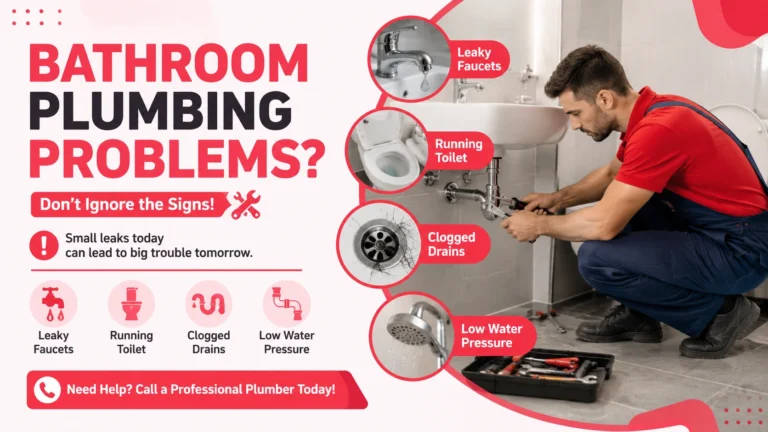
A slow drain isn’t just annoying—it usually signals a developing blockage. One of the smartest plumbing maintenance tips is dealing with slow drainage immediately instead of waiting until the pipe becomes completely clogged. A simple drain cleaning can prevent a much bigger issue.
3. Avoid Pouring Grease Down the Sink
Grease may look harmless while it’s hot, but it hardens as it cools. Over time, it sticks to pipe walls and creates stubborn blockages. Instead, collect grease in a disposable container before throwing it away.
4. Use Drain Strainers
Hair, food scraps, soap residue, and small objects can clog drains surprisingly fast. Among the most practical plumbing maintenance tips, installing inexpensive drain strainers ranks near the top. They trap debris before it enters your pipes.
5. Know Where Your Main Water Shut-Off Valve Is
Imagine a pipe suddenly bursts.
Every second matters.
Knowing where your main shut-off valve is can dramatically reduce water damage while you wait for professional help.
6. Check Water Pressure
High water pressure feels nice in the shower… but it also puts unnecessary stress on pipes, fittings, and appliances. One of the overlooked plumbing maintenance tips is testing your home’s water pressure occasionally. Ideally, it should stay between 40 and 60 PSI.
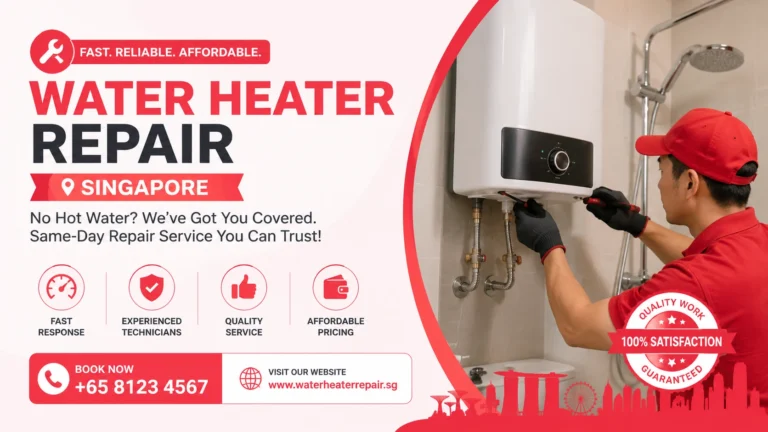
7. Flush Your Water Heater
Sediment naturally builds up inside water heaters. If ignored, it reduces efficiency and shortens the appliance’s lifespan. Adding water heater flushing to your yearly routine is one of the most valuable plumbing maintenance tips for homeowners.
8. Don’t Use Chemical Drain Cleaners Frequently
Chemical cleaners promise quick results, but repeated use can damage older pipes. Instead, try a drain snake, hot water, or natural cleaning methods before reaching for harsh chemicals.
9. Protect Pipes During Cold Weather
Frozen pipes can burst without warning. One of the seasonal plumbing maintenance tips worth remembering is insulating exposed pipes in garages, basements, crawl spaces, and outdoor areas before temperatures drop.
10. Watch What You Flush
Toilets are designed for only toilet paper and human waste. Wet wipes—even those labeled “flushable”—can create major blockages. Cotton balls, paper towels, and hygiene products should always go into the trash.
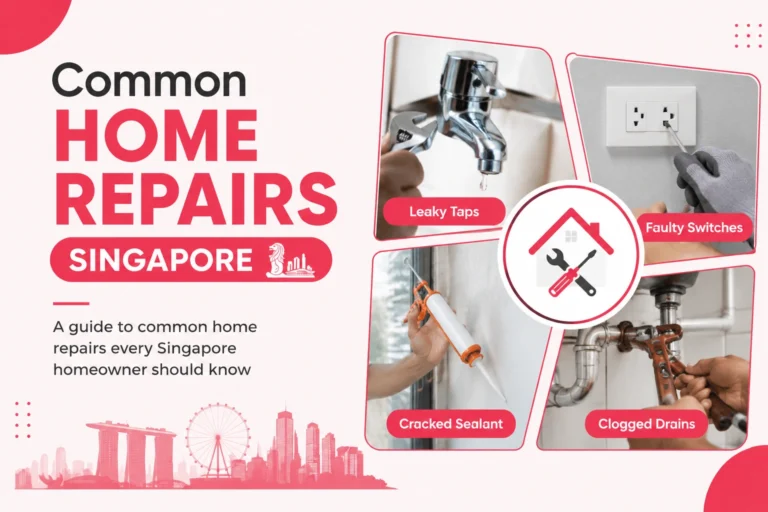
11. Inspect Faucets for Drips
That tiny drip may not seem important.
But over weeks and months, it wastes gallons of water and increases utility bills. Replacing a worn washer or cartridge is often an inexpensive fix.
12. Test Your Sump Pump
If your home has a basement, don’t wait for heavy rain to discover your sump pump isn’t working. Testing it every few months is one of those plumbing maintenance tips that homeowners often forget… until it’s too late.
13. Clean Showerheads
Mineral deposits slowly clog showerheads, reducing water flow. Remove the showerhead occasionally and soak it in vinegar overnight. It’s a simple trick that helps maintain consistent water pressure.
14. Keep Outdoor Plumbing in Good Shape
Outdoor faucets, irrigation systems, and garden hoses also need attention. Disconnect hoses before winter and inspect outdoor fixtures for leaks during warmer months.
15. Schedule Professional Inspections
Even if everything seems fine, having a licensed plumber inspect your plumbing every couple of years can uncover hidden issues before they become expensive emergencies. Professional inspections remain one of the smartest plumbing maintenance tips for long-term savings.
16. Be Careful With Garbage Disposals
Garbage disposals aren’t designed for everything. Coffee grounds, eggshells, fibrous vegetables, and bones can damage the unit or clog pipes. Always run cold water while operating the disposal.
17. Monitor Your Water Bill
An unusually high water bill often points to hidden leaks. Comparing monthly bills helps you spot unusual increases before the problem becomes severe. It’s one of the easiest plumbing maintenance tips anyone can follow.
18. Replace Old Hoses
Washing machine and dishwasher hoses eventually wear out. Cracks or bulges indicate it’s time for replacement. Modern braided stainless steel hoses provide better durability than older rubber versions.
19. Keep Trees Away from Sewer Lines
Tree roots naturally seek moisture and can invade underground sewer pipes through tiny cracks. If you’re planting new trees, keep them well away from buried plumbing lines.
20. Create a Plumbing Maintenance Routine
Perhaps the best of all plumbing maintenance tips is consistency. Create a simple checklist every season:
- Inspect visible pipes.
- Check faucets.
- Test water pressure.
- Flush the water heater.
- Examine outdoor plumbing.
A few minutes every few months can prevent major repairs later.
Why Regular Plumbing Maintenance Matters
Following these plumbing maintenance tips helps homeowners save money, reduce water waste, and avoid unexpected emergencies. Well-maintained plumbing also improves water efficiency, protects appliances, and extends the lifespan of your entire plumbing system.
And honestly… there’s peace of mind in knowing everything is working as it should. You don’t think about plumbing every day, but when something fails, it’s suddenly all you can think about.
Conclusion
Taking care of your plumbing doesn’t have to be complicated. Most problems begin as small issues that are easy—and inexpensive—to fix when caught early. By following these plumbing maintenance tips, you’ll protect your home from costly repairs, improve water efficiency, and keep your plumbing system operating reliably throughout the year. Small habits really do make a big difference. Start with one or two maintenance tasks today, then gradually build a routine that keeps your home’s plumbing in excellent condition for years to come.
Frequently Asked Questions
1. How often should I perform plumbing maintenance?
Basic plumbing inspections should be done every month, while more detailed maintenance like flushing the water heater is typically recommended once a year.
2. Can regular plumbing maintenance reduce repair costs?
Yes. Regular inspections help identify small leaks, worn parts, and developing clogs before they become expensive plumbing emergencies.
3. Are chemical drain cleaners safe?
Occasional use may be acceptable, but frequent use can damage pipes over time. Mechanical cleaning methods or natural alternatives are generally safer.
4. What is the most important plumbing maintenance task?
Checking for leaks regularly is one of the most effective ways to prevent water damage and reduce repair costs.
5. Should I hire a professional plumber for maintenance?
Yes. While homeowners can perform basic maintenance, scheduling a professional inspection every couple of years helps identify hidden plumbing problems before they become serious.