Bathroom Waterproofing Singapore: 10 Essential Things Every Homeowner Should Know
Bathrooms deal with water every single day. A quick shower, washing your hands, cleaning the floor—it all adds up. Most of the time, we don’t think much about where that water goes. But if your bathroom isn’t properly sealed, moisture can slowly find its way beneath tiles, into walls, and even into your neighbor’s ceiling.
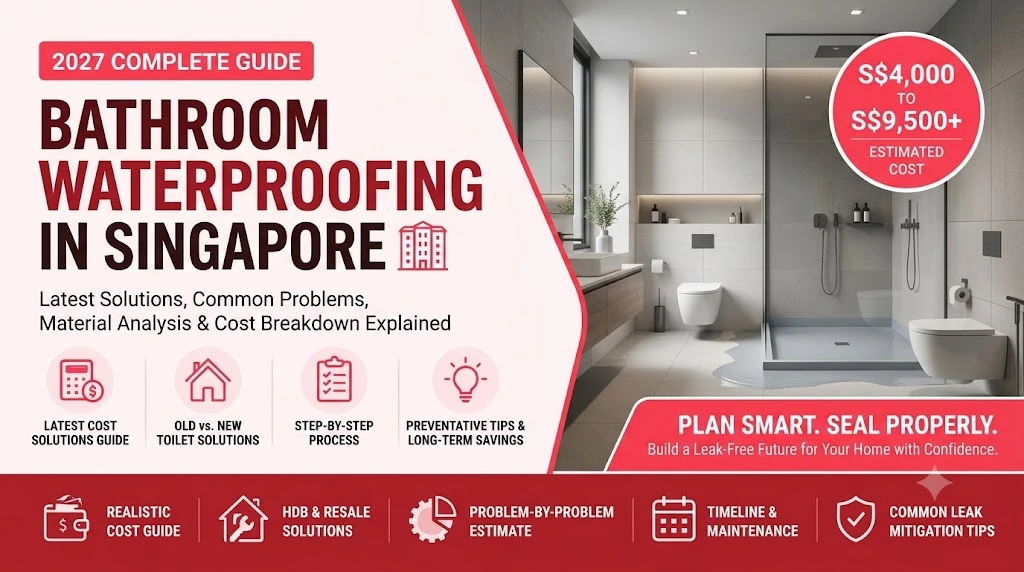
That’s exactly why bathroom waterproofing Singapore has become one of the most important parts of home maintenance and renovation. Whether you’re renovating an HDB flat, condominium, or landed property, investing in quality waterproofing today can save you from expensive repairs tomorrow.
Let’s look at the things every homeowner should know before starting a bathroom waterproofing singapore project.
1. bathroom waterproofing singapore Is More Than Just Preventing Leaks
Many people assume waterproofing is only necessary after water starts dripping downstairs.
Actually… that’s already too late.
Waterproofing creates a protective membrane beneath your bathroom tiles. This hidden layer prevents water from penetrating concrete slabs, walls, and surrounding structures. Without it, moisture slowly damages your property over months or even years before visible signs appear.
Professional bathroom waterproofing Singapore services focus on stopping problems before they begin instead of repairing costly damage later.
2. Small Cracks Can Lead to Big Problems
A tiny crack doesn’t seem dangerous.
But water is surprisingly persistent. Even hairline cracks allow moisture to travel into the structure beneath the surface. Over time, this can lead to:
- Ceiling leaks
- Mold growth
- Loose or hollow tiles
- Damp walls
- Paint peeling
- Structural deterioration
- Expensive renovation work
Sometimes homeowners ignore these warning signs because they appear gradually. And that’s what makes water damage so costly.
3. Singapore’s Climate Makes Waterproofing Even More Important
Singapore’s warm and humid climate creates the perfect environment for moisture-related problems.
Bathrooms rarely dry completely because humidity stays high throughout the year. Add multiple daily showers, steam, and constant cleaning, and moisture builds up quickly.
That’s why bathroom waterproofing Singapore isn’t considered an optional upgrade—it’s an essential protection for local homes.
Proper waterproofing helps your bathroom withstand daily exposure to moisture while reducing the risk of long-term water damage.
4. Waterproofing Should Always Be Done During Renovation
Planning a bathroom renovation?
This is the ideal time to waterproof.
Once new tiles are installed, repairing waterproofing usually requires removing the flooring again. That means extra labor, additional material costs, and unnecessary disruption.
During renovation, professionals typically:
- Remove old finishes
- Prepare the surface
- Repair cracks
- Apply waterproof membranes
- Allow proper curing
- Conduct water ponding tests
- Install new tiles
Doing everything in the correct order provides better protection and longer-lasting results.
5. Different Waterproofing Systems Serve Different Needs
Not every bathroom requires the same waterproofing solution.
Professional contractors evaluate several factors before recommending the right system, including:
- Bathroom size
- Floor condition
- Existing damage
- Building age
- Renovation scope
- Budget
Common waterproofing systems include liquid-applied membranes, cementitious waterproof coatings, polyurethane membranes, and sheet membrane systems.
Choosing the appropriate method helps maximize durability while ensuring compatibility with your property’s construction.
6. Professional Installation Makes a Huge Difference
Buying quality waterproofing materials alone isn’t enough.
Proper installation matters just as much.
Experienced waterproofing specialists know how to prepare surfaces correctly, reinforce floor joints, seal corners, and apply membranes evenly without weak spots.
Even premium materials can fail if installation isn’t carried out properly.
When choosing a bathroom waterproofing Singapore contractor, look for experience, transparent quotations, quality materials, and clear workmanship warranties.
It’s worth asking questions before work begins.
7. Water Ponding Tests Help Confirm Everything Works
Many homeowners have never heard of a ponding test.
It’s actually one of the most important steps after waterproofing.
The contractor temporarily fills the bathroom floor with water and leaves it for a specific period. During this time, they inspect surrounding areas and lower floors for any signs of leakage.
If no leaks appear, the waterproofing membrane is performing as intended.
Skipping this test can leave hidden defects undiscovered until months later.
8. Signs Your Bathroom May Need Waterproofing
Sometimes your bathroom quietly tells you something isn’t right.
Watch for these warning signs:
- Water stains on ceilings
- Mold around corners
- Loose bathroom tiles
- Damp smells
- Peeling paint
- Cracked grout
- Persistent moisture
- Bubbling wall finishes
- Discolored ceilings below bathrooms
If you notice several of these symptoms, it’s wise to arrange a professional inspection before the problem worsens.
Early action almost always costs less than extensive repairs.
9. Waterproofing Adds Long-Term Value to Your Property
Many homeowners think waterproofing is simply another renovation expense.
But it’s really an investment.
A properly waterproofed bathroom:
- Protects structural components
- Extends renovation lifespan
- Reduces maintenance costs
- Prevents mold growth
- Minimizes emergency repairs
- Improves buyer confidence
- Preserves property value
Whether you plan to stay for years or eventually sell your home, reliable waterproofing offers long-term benefits.
And honestly… peace of mind has value too.
10. Regular Maintenance Helps Bathroom Waterproofing Singapore Last Longer
Even excellent waterproofing benefits from routine care.
Simple maintenance habits include:
- Repair cracked grout promptly
- Replace damaged silicone sealant
- Improve bathroom ventilation
- Fix leaking pipes immediately
- Keep floor drains clear
- Avoid harsh chemical damage
- Inspect corners and joints annually
These small habits help reduce unnecessary stress on the waterproofing system and extend its lifespan.
While waterproofing membranes are designed to last many years, preventive maintenance keeps everything performing at its best.
How to Choose the Right Bathroom Waterproofing Singapore Company
Not all contractors provide the same level of workmanship.
Before hiring anyone, consider:
- Years of industry experience
- Positive customer reviews
- Licensed and insured professionals
- Detailed project quotations
- Quality waterproofing products
- Workmanship warranties
- Clear communication
- Proper testing procedures
Don’t choose solely based on the lowest quotation. Good waterproofing is something you only notice when it continues working year after year.
Conclusion
Bathroom Waterproofing Singapore may not be the most visible part of your home, but it’s certainly one of the most important. Water damage develops slowly, often remaining hidden until repairs become expensive and disruptive. Investing in professional bathroom waterproofing Singapore services helps protect your home from leaks, mold, structural deterioration, and unnecessary renovation costs. Whether you’re upgrading an old bathroom or planning a brand-new renovation, proper waterproofing is a smart decision that pays off for many years. A dry, safe, and well-protected bathroom simply makes homeownership easier.
Frequently Asked Questions (FAQs)
1. How long does Bathroom Waterproofing Singapore last?
A professionally installed waterproofing system can typically last between 10 and 20 years, depending on the materials used, installation quality, and regular maintenance.
2. Is Bathroom Waterproofing Singapore mandatory during renovation?
For major bathroom renovations, waterproofing is generally considered an essential part of the construction process and helps meet building standards while preventing future water damage.
3. How much does Bathroom Waterproofing Singapore cost?
The cost depends on the bathroom size, waterproofing method, existing condition, and renovation requirements. A professional site assessment provides the most accurate quotation.
4. Can waterproofing be done without removing tiles?
In some situations, tile-over waterproofing solutions may be available. However, severe leaks or damaged waterproof membranes often require tile removal for proper repairs.
5. What are the first signs of waterproofing failure?
Common signs include ceiling stains, loose tiles, mold growth, damp walls, peeling paint, musty odors, and water leaking into adjacent rooms or downstairs units.
6. Why should I hire a professional waterproofing contractor?
Professional contractors use proven materials, proper surface preparation, correct installation techniques, and water testing procedures to ensure long-lasting protection and reduce the risk of future leaks.