
Bathroom Plumbing Problems: 10 Common Issues Every Homeowner Should Know
A bathroom is one of the busiest spaces in any home. You use it every single day, often without thinking much about what happens behind the walls or under the sink. But when something goes wrong… it quickly becomes impossible to ignore. From dripping faucets to clogged drains, bathroom plumbing problems can interrupt your daily routine and even cause expensive water damage if left untreated.
The good news? Many bathroom plumbing problems start with small warning signs. If you know what to look for, you can often fix minor issues before they turn into major repairs.
Let’s take a closer look at the most common plumbing issues found in bathrooms and what you can do about them.
1. Dripping Faucets
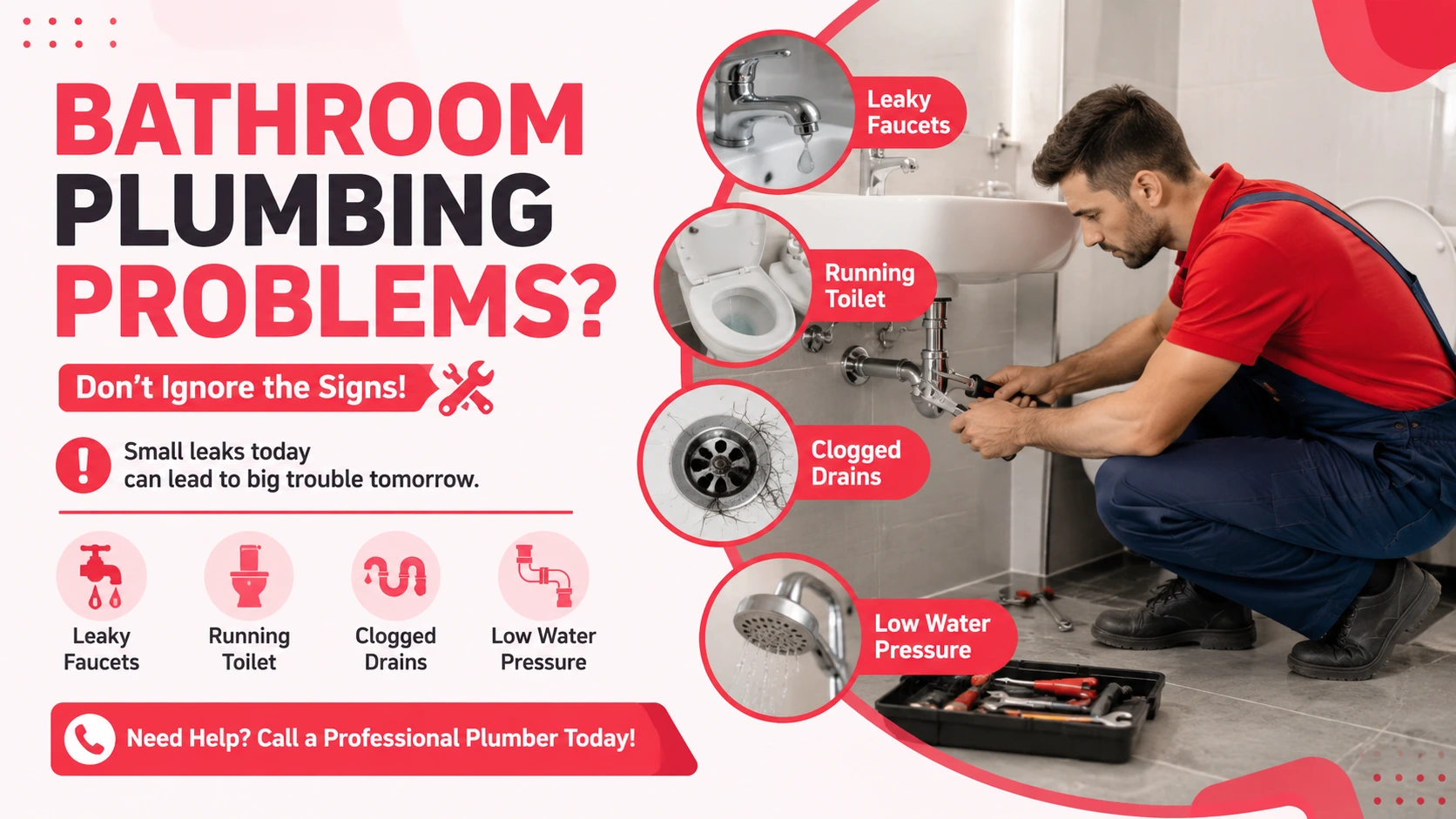
One of the most common bathroom plumbing problems is a faucet that never seems to stop dripping.
It might seem harmless at first. Just one tiny drop after another. But over time, those drops waste a surprising amount of water and increase your monthly utility bill.
Most dripping faucets happen because worn-out washers, damaged cartridges, or loose internal components need replacement. Fortunately, many homeowners can repair this with basic tools.
If the dripping continues after replacing the parts, it may be time to call a professional plumber.
2. Clogged Bathroom Drains
Slow drains are another frustrating example of bathroom plumbing problems that almost everyone experiences.
Hair, soap scum, toothpaste, shaving cream, and other debris gradually build up inside drain pipes. At first, water drains slowly. Eventually, it may stop altogether.
Using a drain screen helps reduce hair buildup. Cleaning the drain regularly with hot water and safe drain cleaners can also prevent future clogs.
Avoid pouring harsh chemicals repeatedly, as they may damage older pipes.
3. Running Toilets
A toilet that keeps running long after flushing isn’t just annoying.
It’s one of those bathroom plumbing problems that silently wastes hundreds of gallons of water every week.
Usually, the culprit is a faulty flapper valve, damaged fill valve, or improperly adjusted float.
Luckily, toilet repair kits are inexpensive and widely available. Most repairs take less than an hour.
4. Low Water Pressure
Have you ever stepped into the shower expecting a relaxing spray only to get a weak trickle?
Low water pressure ranks high among common bathroom plumbing problems.
Mineral buildup inside showerheads is often responsible. Unscrew the showerhead and soak it in white vinegar overnight. In many cases, that restores normal water flow.
If every bathroom fixture has low pressure, the issue may involve the home’s plumbing system or municipal water supply.
5. Leaking Pipes Under the Sink
Sometimes you notice a puddle beneath the bathroom vanity…
Other times you only smell a musty odor.
Both can signal bathroom plumbing problems caused by leaking supply lines or drain pipes.
Even a tiny leak can encourage mold growth, damage cabinets, and weaken flooring over time.
Inspect connections regularly and tighten loose fittings when necessary. Replace cracked pipes immediately.
6. Constantly Clogged Toilets
Occasional toilet clogs happen.
Repeated clogs, though, often point to deeper bathroom plumbing problems.
Too much toilet paper, non-flushable wipes, feminine hygiene products, and children’s toys are common causes.
If plunging doesn’t solve the issue permanently, there could be a blockage deeper inside the drain line.
Professional drain inspection may be necessary.
7. Water Heater Issues Affecting the Bathroom
Not every plumbing problem starts inside the bathroom.
Sometimes bathroom plumbing problems are actually caused by an aging water heater.
If hot water runs out quickly, smells unusual, or changes temperature constantly, sediment buildup inside the water heater may be reducing efficiency.
Annual maintenance helps extend water heater life and improve performance.
8. Bad Bathroom Odors
Unpleasant smells can make even the cleanest bathroom uncomfortable.
Surprisingly, persistent odors are often linked to hidden bathroom plumbing problems.
Dry P-traps, blocked vents, leaking sewer lines, or cracked drain pipes may allow sewer gases to enter the room.
Never ignore sewer smells. They usually require prompt inspection.
9. Overflowing Sink or Toilet
Overflowing fixtures create panic…
And they create water damage very quickly.
These bathroom plumbing problems usually result from severe drain blockages or sewer line backups.
Turn off the water supply immediately if overflow occurs.
Cleaning minor clogs early greatly reduces the risk of major flooding later.
10. Hidden Water Leaks
Some bathroom plumbing problems remain hidden for months.
You may only notice peeling paint, warped flooring, mold spots, or unexpectedly high water bills.
Small leaks behind walls often become expensive structural repairs if ignored.
Modern leak detection tools help plumbers locate hidden leaks without tearing apart large sections of the bathroom.
Checking your water meter occasionally can also help detect unnoticed leaks.
How to Prevent Bathroom Plumbing Problems
Preventing bathroom plumbing problems doesn’t require expensive equipment.
A few simple habits go a long way.
- Clean sink and shower drains every few weeks.
- Avoid flushing wipes, cotton balls, or paper towels.
- Inspect pipes under the sink for moisture.
- Fix small leaks immediately.
- Install drain strainers to catch hair.
- Flush the water heater according to manufacturer recommendations.
- Schedule professional plumbing inspections every few years.
Small maintenance tasks today often prevent major repair bills tomorrow.
When Should You Call a Professional Plumber?
Some repairs are simple enough for DIY homeowners.
But certain bathroom plumbing problems should always be handled by experienced professionals.
Call a plumber if you notice:
- Multiple clogged drains throughout the house.
- Water stains on walls or ceilings.
- Sewer odors that don’t disappear.
- Burst pipes.
- No hot water.
- Major leaks.
- Repeated toilet backups.
Trying to fix complex plumbing without proper experience can sometimes make the problem much worse.
Conclusion
Every home experiences bathroom plumbing problems sooner or later. The key is recognizing early warning signs before they grow into expensive repairs. A dripping faucet, slow drain, running toilet, or hidden leak may seem minor today… but ignoring them rarely makes them disappear. Regular maintenance, quick repairs, and occasional professional inspections help keep your bathroom plumbing working smoothly for years. And honestly, a little attention now can save you a lot of stress—and money—later.
Frequently Asked Questions (FAQ)
1. What are the most common bathroom plumbing problems?
The most common bathroom plumbing problems include clogged drains, dripping faucets, running toilets, leaking pipes, low water pressure, hidden leaks, overflowing toilets, and sewer odors.
2. Can I fix bathroom plumbing problems myself?
Yes. Minor issues like replacing faucet washers, unclogging drains, or installing a new toilet flapper can often be completed by homeowners. Larger repairs should be handled by licensed plumbers.
3. What causes bathroom drains to clog?
Hair, soap residue, toothpaste, dirt, shaving cream, and mineral buildup are the most common causes of clogged bathroom drains.
4. How can I prevent bathroom plumbing problems?
Regular cleaning, avoiding flushing inappropriate items, checking for leaks, using drain strainers, and scheduling routine plumbing inspections can greatly reduce future problems.
5. When is a plumbing problem considered an emergency?
Burst pipes, overflowing toilets that won’t stop, sewage backups, and significant water leaks should all be treated as plumbing emergencies because they can quickly damage your home.